Oil Leak

Ireland — along with much of the western world — relies on the International Energy Agency‘s oil production forecasts. But are they reliable, asks Lenny Antonelli?

Welcome to the archive of Construct Ireland, the award-winning Irish green building magazine which spawned Passive House Plus.
The feature articles in these archives span from 2003 to 2011, including case studies on hundreds of Irish sustainable buildings and dozens of investigative pieces on everything from green design and building methods, to the economic arguments for low energy construction.
While these articles appeared in an Irish publication, the vast majority of the content is relevant to our new audience in the UK and further afield. That said, readers from some regions should take care when reading some of the design advice - lots of south facing glazing in New Zealand may not be the wisest choice, for instance.
Dip in, and enjoy!
Construct Ireland investigates what measures the Irish government is undertaking to actively encourage the homeowner to switch to non-polluting renewable energy sources.
Achieving building regulations compliance and a good energy rating is one thing. Delivering a genuinely low energy building is quite another. A new scheme by one of Ireland’s most decorated developers may help show the market a way forward.
There are surprisingly few truly iconic buildings, structures that dominate their environs, not to mention the country's intellectual landscape. Halla Chontae Chorcai, Cork County Hall, is one such building. Construct Ireland's Jason Walsh visited to find out about the building's environmental credentials.
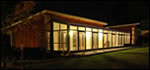
Recently sold by private tender for over e1.3 million, the ECO House in Shankill, Co. Dublin exceeded auctioneers expectations, an indicative example of the shift from public curiosity to eagerness to invest in contemporary sustainable building.
In the fourth part of a series of articles on the condensation risks associated with insulating single lead dwellings, Joseph Little of Joseph Little Architects & Building Life Consultancy reveals serious problems with the approach taken by regulators, standards authorities and suppliers on the condensation risks associated with insulating single leaf walls.
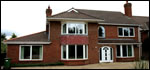
Government incentives are crucial to sparking a massive energy upgrade of our housing stock, but practical examples are just as important. Keen to push his home's energy performance to the limits, one Dublin homeowner overhauled his entire building fabric and installed renewable heating systems and heat recovery ventilation. Lenny Antonelli visited the house.
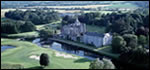
Often regarded as a comfortable stopover for those travelling between Limerick and Killarney, the town of Adare has seen it’s profile upped considerably in recent years with the wonderful restoration and overhaul of the nearby Adare Manor Hotel

The government recently announced a fund of e100 million for energy upgrading Irish houses in 2009, to be divided equally between low income and middle income earners. Focusing on the latter, Jason Walsh looks at the details of the Home Energy Saving scheme and speaks to key figures in the industry to get their views on the ingredients needed to make the scheme a success