From the Construct Ireland archives


Welcome to the archive of Construct Ireland, the award-winning Irish green building magazine which spawned Passive House Plus. The feature articles in these archives span from 2003 to 2011, including case studies on hundreds of Irish sustainable buildings and dozens of investigative pieces on everything from green design and building methods, to the economic arguments for low energy construction. While these articles appeared in an Irish publication, the vast majority of the content is relevant to our new audience in the UK and further afield. That said, readers from some regions should take care when reading some of the design advice - lots of south facing glazing in New Zealand may not be the wisest choice, for instance. Dip in, and enjoy!

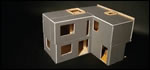
Rosslare passive scheme

Rosslare passive house scheme
A new development at Grange Lough, Rosslare, reveals that passive houses can be made Irish – both in terms of what they’re built with, and how they look.

Heat of the Moment

Heating Technologies Explained
John Hearne spoke to a number of independent energy experts to develop an impartial view of the main sustainable heating options.

Walking on water

0406-Walking-On-Water-SMALL.jpg
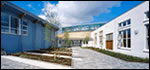
Designing a low-energy public building with passive ventilation and lighting in mind is one thing – making it fit seamlessly into a rural wetland environment is quite another. Lenny Antonelli visited the award-winning Ballybay Wetlands Centre in County Monaghan - a closed-panel timber frame structure designed to sit softly on the surrounding landscape.

Power to the people

Power to the people
The ESB's Home Insulation Scheme aimed to upgrade the homes of 1,000 pensioners on fuel allowance last year - it ended up reaching almost three times that number, reducing carbon emissions and improving the lives of many. Lenny Antonelli found out more.

Force of Nature

0304-forceofnaturetitle.jpg
In this adapted extract from his new book Natural Building: A Guide to Materials and Techniques, seminal eco architect Professor Tom Woolley outlines some of the reasons why natural building is necessary.

Sustainable Housing

Can sustainability and social housing be married in one development? Construct Ireland investigates a ground breaking social housing project in West Cork.

Social Climber

Fingal Council Housing pushes up energy standards
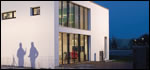
With some of the most impressive moves toward sustainability over the last few years coming in the form of planning requirements, it should come as no surprise that many local authorities are pioneering energy efficient housing in their own housing stock. Jason Walsh visited a site in Oldtown, County Dublin, to see how Fingal County Council is putting sustainability into practice with help from Keenan Timber Frame, Ecological Building Systems, Nutech Renewables and others

Creature comforts

DRUMSHAMBO VETERINARY OFFICE MERGES ARCHITECTURE AND ENVIRONMENT
Not only does the new OPW-designed district veterinary office in Drumshanbo Co. Leitrim place strong emphasis on natural ventilation and lighting, it rests comfortably in the rural landscape and boats commendable green features too. Lenny Antonelli reports

Dublin Docklands

0503-DOCKLANDS-SMALL.jpg
Number Two Grand Canal Square office, completed in September 2009 and substantially occupied by law firm Byrne Wallace in August this year, set a landmark in commercial office development by combining world-class design with sustainability - reconciling the architecture of Daniel Libeskind with achieving both a Breeam Excellent rating and an A3 BER certificate. Paul Dunne, sustainability and M&E director for Arup, outlines some of the project’s history and its achievements

Sustainability in store

IKEA
Little did we know when campaigning for the Fingal energy standard in 2005-06 that Construct Ireland would have a direct impact on Ikea’s first Irish store. Driven by a combination of Fingal’s requirements and their own renewable energy policy, the Swedish retail giant has invested in the largest ground source heat pump installation in Ireland and the UK, along with a well-thought biomass system fed by an onsite waste stream and a host of other green measures, as John Hearne reports