Climate Change
Assessing the Impact on Agriculture of Predicted Changes in Irish Climate by Dr Nicholas Holden

Welcome to the archive of Construct Ireland, the award-winning Irish green building magazine which spawned Passive House Plus.
The feature articles in these archives span from 2003 to 2011, including case studies on hundreds of Irish sustainable buildings and dozens of investigative pieces on everything from green design and building methods, to the economic arguments for low energy construction.
While these articles appeared in an Irish publication, the vast majority of the content is relevant to our new audience in the UK and further afield. That said, readers from some regions should take care when reading some of the design advice - lots of south facing glazing in New Zealand may not be the wisest choice, for instance.
Dip in, and enjoy!
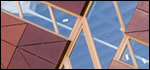
Imaginosity, the new children's museum building in Sandyford's Beacon South Quarter development, is getting the Austrian eco-house treatment, combining low energy, modular construction with a plethora of low carbon energy technologies. Jason Walsh visited the site to take a look.
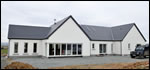
After a long struggle to build their home, Karen and Steve Ward finally got their wish — an energy efficient, timber frame house that boasts a palette of healthy and ecological materials and a fully renewable heating system.
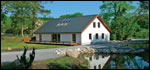
Imagine moving into a house without a heating system – what would you do? Contact the developer and demand they put one in immediately? Call a solicitor and sue the builder? Or sit back and enjoy living in a house, designed to meet your expectations of comfort without any recourse to a space heating system. Jason Walsh met the people behind Ireland’s drive toward the passive house.
Walter P. Toolan and Sons, a firm of solicitors in Ballinamore, County Leitrim has redeveloped its office with the intention of creating a healthy, environmentally sound building. Jason Walsh visited the office to find out more.
In the last decade timber has come to be seen one of the leading sustainable building materials, primarily through the growth of the timber frame market. Jason Walsh visited County Wexford to look at a growing use for the material – solid timber construction
The Daintree Building is a mixed-use, sustainable urban building on Pleasant’s Place, just off Camden St. Dublin , writes Brian O’Brien of Solearth Architects. Conceived in 1999 it has been a long development process—but by late September Daintree should be open for business and the ever innovative Daintree (Paper Co) Ltd will have a new home, one appropriate to the delightfulness of their products and their focus on nature’s generosity for their raw materials.
Bank of America Tower, to be located at One Bryant Park in midtown Manhattan is a US$1 billion project that has been designed to be one of the most highly efficient and ecologically friendly tall buildings in the world. The building, currently under construction, is expected to be complete in 2008.
Jason Walsh got in touch with Cook + Fox Architects in New York, designers of the Bank of America Tower to see how the practice plans to square the circle of designing an environmentally sound high-rise building.

As if the implications of the unfolding global financial crisis weren’t bad enough, the Irish economy must also contend with the consequences of a banking system exposed to unprecedented property-related debts. Reflecting on the ongoing crisis, Richard Douthwaite explains why investment in local energy innovation may prove the key to improving Ireland’s economic health