Down wetlands centre
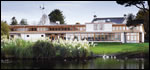
Eco architects Solearth expand their highly impressive portfolio with deep green design at Castle Espie Wetlands and Wildfowl centre

Welcome to the archive of Construct Ireland, the award-winning Irish green building magazine which spawned Passive House Plus.
The feature articles in these archives span from 2003 to 2011, including case studies on hundreds of Irish sustainable buildings and dozens of investigative pieces on everything from green design and building methods, to the economic arguments for low energy construction.
While these articles appeared in an Irish publication, the vast majority of the content is relevant to our new audience in the UK and further afield. That said, readers from some regions should take care when reading some of the design advice - lots of south facing glazing in New Zealand may not be the wisest choice, for instance.
Dip in, and enjoy!
Turning a ruined farm house into a usable dwelling has been a dream for decades, but can an age-old structure really be brought-up to the cutting edge of energy efficiency? Architect Frank Cooney has found a way with a ruin in Cavan currently undergoing renovation. Jason Walsh visited the site to find out more.
Of huge importance to our national identity and one of the major features of the rural Irish countryside are the derelict small cottages, scattered across the land, that have long fallen into ruin. Often situated in Irelands most beautiful and remote areas, Terry Cunningham, Rural Enterprise Adviser of the Southern Tipperary office of Teagasc sought to revitalise and fully utilise these charming and unique dwellings from our past.
Germany has a reputation for high quality craftsmanship, an attention to detail and a positive attitude to sustainable and healthy housing. Jason Walsh visited a new German-built house in County Dublin to see if the expertise can be exported.

One thing householders don't want to fail is their wastewater treatment system – the pollution, the health hazard, the cost and not least the embarrassment factor are all potentially serious. And yet, one wastewater treatment system provider says that such failures are very likely. As Jason Walsh asks, is he right?
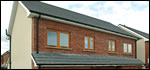
It has long been anticipated that the cost of sustainable building will come down as it enters the mass market, benefiting from economies of scale and greater industry confidence in low impact techniques and technologies as they become more familiar. Jay Stuart, managing director of integrated sustainable design consultants Delap and Waller EcoCo reveals a Kildare housing project which is likely to rapidly accelerate this process, and convince even the most conservative elements of the industry that low energy, low carbon building can be achieved at little or no additional cost


Designing a low energy building when you've got unlimited space is one thing – but what if you need to make your walls thin to maximise space on a small site in an architectural conservation area? Lenny Antonelli visited a new St Vincent De Paul sheltered housing project that fit a lot of sustainable features on to a small plot in Dublin's north inner city.

Interhabs, a company who build to the highly energy efficient Canadian Super E programme, have recently entered the Irish house building market.
Jeff Colley speaks to Ronan Long , General Manager of Interhabs Ireland, about the reasons why he believes Interhabs will bring energy efficient, comfortable, healthy homes to people across Ireland