From the Construct Ireland archives


Welcome to the archive of Construct Ireland, the award-winning Irish green building magazine which spawned Passive House Plus. The feature articles in these archives span from 2003 to 2011, including case studies on hundreds of Irish sustainable buildings and dozens of investigative pieces on everything from green design and building methods, to the economic arguments for low energy construction. While these articles appeared in an Irish publication, the vast majority of the content is relevant to our new audience in the UK and further afield. That said, readers from some regions should take care when reading some of the design advice - lots of south facing glazing in New Zealand may not be the wisest choice, for instance. Dip in, and enjoy!

Mixing It Up

Designing out carbon made easy
As Building Regulations tighten on carbon emissions, energy reduction and mandatory renewable energy targets, the task for designers becomes harder and harder. Bobby Gilbert of Bobby Gilbert and Associates explains how a new design tool is making sustainable design easier.

Terra incognita

Much hope has been pinned on the development of new technologies for sinking carbon and generating low impact energy
Much hope has been pinned on the development of new technologies for sinking carbon and generating low impact energy. Richard Douthwaite reveals the major contribution that could be offered by something very old; a soil type that has been in use for 6,000 years.

Making the Grade

BELFAST COLLEGE BUILDING REVEALS ATTENTION TO ECO DETAIL
The Orchard, a new building on the campus of Stranmillis College, a teacher training college in Belfast, has become the first winner of a sustainable planning award organised by the Royal Town Planning Institute alongside a host of other awards. Jason Walsh visited the new building to find out about its green credentials.

Building a low carb future

The need to reduce CO2 emissions and energy consumption from buildings has never been more immediate. There is a growing consensus that we must reduce our dependence on rapidly depleting, carbon intensive fossil fuels, which, amongst other things, will involve overhauling how buildings are designed, constructed and used.


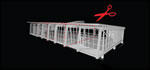
Log House Renovation

Log House Renovation
A log bungalow in rural Meath has been extended and given a total energy upgrade – and wood is at the heart of the renovation, with a timber frame extension and external insulation system along with a fresh log finish.
Words: Lenny Antonelli

Public good

Until recently the York Street flats had been a living legacy of failed past approaches to social housing – a slum of mainly north-facing flats dating from Victorian times, and poorly rebuilt in the year Ireland became a republic, 1949. John Hearne visited the recently redeveloped York Street and found a thoroughly sustainable set of buildings that should inspire thoughts of future progress rather than past failings.

International Selections

International case studies
Newly inaugurated RIAI president Paul Keogh selects four diverse UK projects that integrate sustainability without compromising on design

Forward pass

Forward Pass
As interest in sustainable building continues to escalate, Construct Ireland is increasingly unearthing buildings that betray an ambition to break new ground under a plethora of green criteria. John Hearne visited one such house in County Louth, and found a project driven by passive house and BER scale-topping ambitions combined with on-site energy and water supply strategies and a commitment to the use of green materials

Living without heating

The advent of central heating improved the comfort of life for countless Irish people over the past century, but as energy efficient building grows, some pioneering homeowners think they can live without it. What’s life like for them?

Part L changes

Part L changes
On 7 June 2011 environment minister Phil Hogan TD signed the latest changes to Part L of the building regulations into law, which will make it mandatory for all new homes to be 60% more energy efficient than the standards at the peak of the construction boom. Jeff Colley sheds some light on the key changes