Dundalk green housing
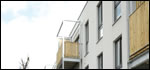
Sustainable Dundalk housing project designed to prolong the independence of older residents

Welcome to the archive of Construct Ireland, the award-winning Irish green building magazine which spawned Passive House Plus.
The feature articles in these archives span from 2003 to 2011, including case studies on hundreds of Irish sustainable buildings and dozens of investigative pieces on everything from green design and building methods, to the economic arguments for low energy construction.
While these articles appeared in an Irish publication, the vast majority of the content is relevant to our new audience in the UK and further afield. That said, readers from some regions should take care when reading some of the design advice - lots of south facing glazing in New Zealand may not be the wisest choice, for instance.
Dip in, and enjoy!
Sustainable Dundalk housing project designed to prolong the independence of older residents

As fears grow amongst climate scientists that the world may be close to reaching a tipping point leading to runaway global warming, there’s a growing recognition that the forthcoming UN climate conference in Copenhagen must deliver dramatic and binding targets to cut carbon. According to Richard Douthwaite, the talks are unlikely to deliver sufficiently meaningful action.
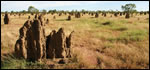
Do termites apply building science better than humans? Award winning architect Sean Harrington takes a characteristically left-of-brain approach to our international feature, leading to some humbling lessons.

“Electrical waste is one of the fastest growing waste streams in Ireland. It is a source of valuable materials which can readily be recycled and which we must divert from landfill”, Minister Martin Cullen, 19 February 2003.
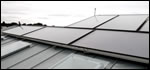
Foxrock passive development built with externally insulated poroton & aircrete blocks along with timber frame
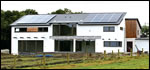
Nothing focuses the mind like a target. The growing impact of Building Energy Ratings (BER) is increasingly encouraging Irish people to aim for the highest energy rating they can. Patrick and Niamh Daly’s house in Mullingar takes this trend to the next level, using a myriad of sustainable green materials and technologies to become a net energy producer and go beyond the limit of the BER scale. John Hearne visited the nearly completed house to find out more.
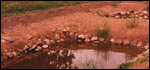
There’s rather more to designing a sustainable building than specifying low-embodied energy materials and making sure it will require little energy and maintenance in use. Low water demand and the ability to get the nutrients discharged in the sewage back to the land are important too.
As Ireland struggles to meet its commitments to reducing CO2 emissions in accordance with the Kyoto Protocol, the renewable energy sector continues to flourish as wind farms rapidly develop and solar energy becomes increasingly viable
The cement industry is well known as being amongst the worst culprits for emitting CO2, a seemingly unavoidable side effect of its production. However, as Peter Seymour, Business Development Manager with Ecocem Ireland Ltd explains, there is a strong, eco-friendly competitive alternative to Portland cement that is being specified in a variety of high profile construction projects in Ireland.