Climate Change
Assessing the Impact on Agriculture of Predicted Changes in Irish Climate by Dr Nicholas Holden

Welcome to the archive of Construct Ireland, the award-winning Irish green building magazine which spawned Passive House Plus.
The feature articles in these archives span from 2003 to 2011, including case studies on hundreds of Irish sustainable buildings and dozens of investigative pieces on everything from green design and building methods, to the economic arguments for low energy construction.
While these articles appeared in an Irish publication, the vast majority of the content is relevant to our new audience in the UK and further afield. That said, readers from some regions should take care when reading some of the design advice - lots of south facing glazing in New Zealand may not be the wisest choice, for instance.
Dip in, and enjoy!

Ambitious companies in the Irish sustainable building sector should look to the US, says Century Homes founder Gerry McCaughey. As chief executive of LA-based green building business consultancy Infineco, McCaughey is witnessing first-hand how the land of opportunity is waking up to green construction.

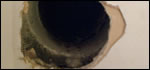
Whilst great strides are being made in upgrading energy performance requirements under Part L of the Building Regulations, the issue of ventilation has remained largely ignored by legislators for years, leaving designers with antiquated standards to work to. At its worst, efforts to air-tighten and increase the insulation of homes is being undermined by the absurd practice of knocking holes in walls. John Hearne looks into what changes need to be made to modernise Part F.
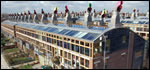

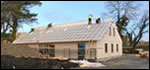
On Tuesday the 15th of March a passive house, a house that does not need to be heated, was built a few miles outside of Galway. The brain child of Lars Pettersson of Galway based Scandinavian Homes Ltd, it is believed to be the world’s first standardized and factory made passive house.
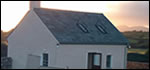
Of huge importance to our national identity and one of the major features of the rural Irish countryside are the derelict small cottages, scattered across the land, that have long fallen into ruin. Often situated in Irelands most beautiful and remote areas, Terry Cunningham, Rural Enterprise Adviser of the Southern Tipperary office of Teagasc sought to revitalise and fully utilise these charming and unique dwellings from our past.
With the age of cheap and abundant fossil fuel energy coming to an end, district heating, where a development is heated from a single, centralised heat source is becoming an increasingly attractive option due to the capital and running cost, efficiency and environmental benefits it can offer. Paraic Davis of Davis Associates mechanical and electrical engineers explains why district heating has become a viable and increasingly popular choice in Ireland.