Passive house is affordable for large scale housing — Encraft

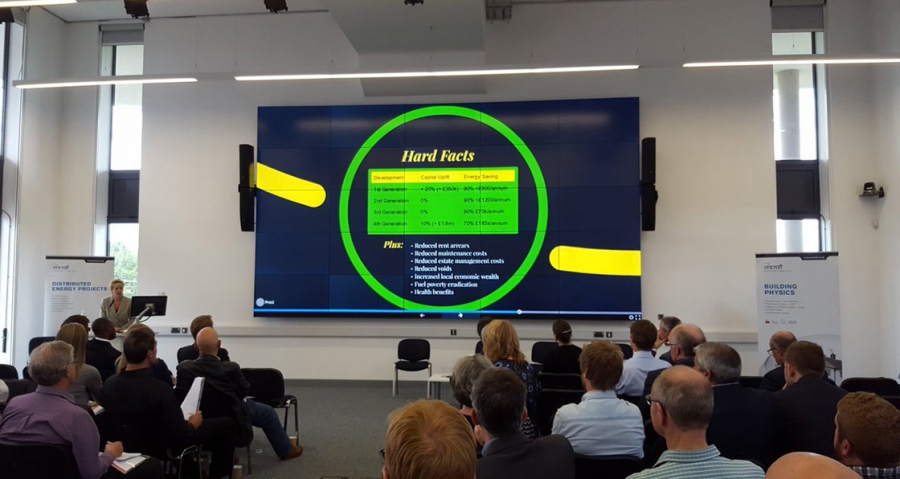
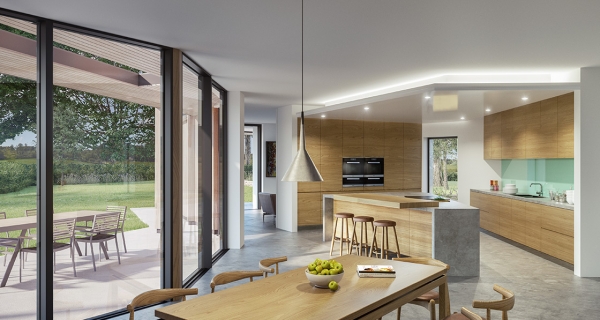
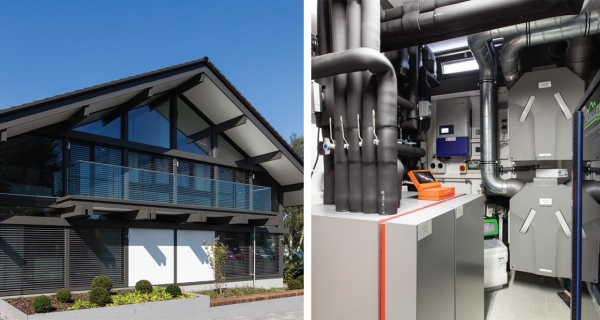
Leading passive house consultancy Encraft has advised that the standard is affordable for large scale housing projects — and cheaper over the whole life cycle of a development — once there is some investment in learning and education up front.  

Energy and enviro groups lobby government to keep EU targets

Thirty leading environmental and energy groups have written to the new secretary of state for business, energy and industrial strategy Greg Clark urging the government to maintain its commitment to crucial EU targets on energy post Brexit — including the demand that all new buildings be ‘nearly zero energy’ (NZEB) from 2021. 

Frankfurt to build world’s first passive hospital

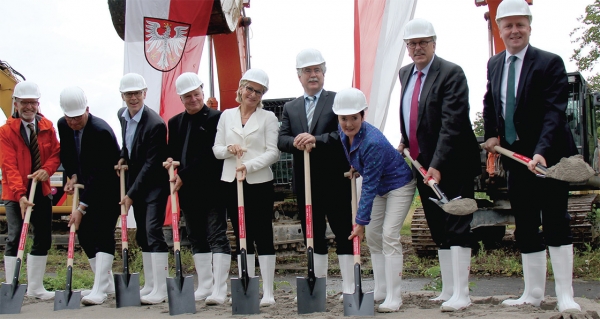
Work is underway on the first hospital in the world to be built to the passive house standard, in the Höchst district of Frankfurt. The previous clinic on the site will be replaced by a new passive building with 666 beds and ten operating theatres planned over six floors. The Passive House Institute provided comprehensive support throughout the planning phase and will continue to do so during the building’s construction. 

Marmox Thermoblock features in high profile Leicester Square retrofit

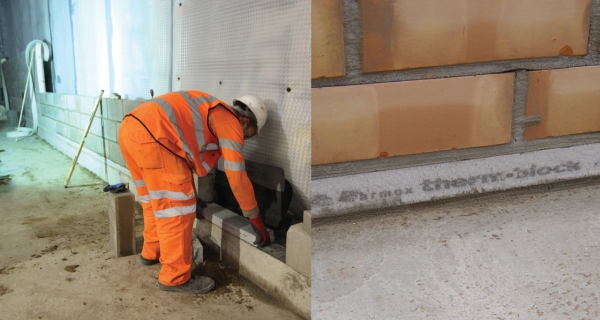
The refurbishment of a landmark listed property on London’s Leicester Square has seen Marmox Thermoblocks specified in very large quantities for an unusual application. Number 48 Leicester Square is being completely redeveloped behind the retained 1920s stone facade, with Make Architects leading the design team on behalf of client, Linseed Assets, while Pacific Construction is the main contractor.

Passive house taking off in the South Pacific, conference hears

Passive house indeed works everywhere was the core message at the second annual South Pacific Passive House Conference, writes Andrew Michler. The conference was held in Melbourne on 12-13 February. While just a handful of passive houses have been completed in Australia so far, a sizable contingent from New Zealand came to the conference armed with multiple examples of how even warm climate buildings benefit from the energy savings, comfort and critically the health of a passive house. With a major spike in asthma from damp and mouldy homes, the principles such as airtightness, controlled air exchange, and thermal bridge free design are finally being accepted as the best solution in this part of the world. 

Planning granted for new passive house in listed parkland

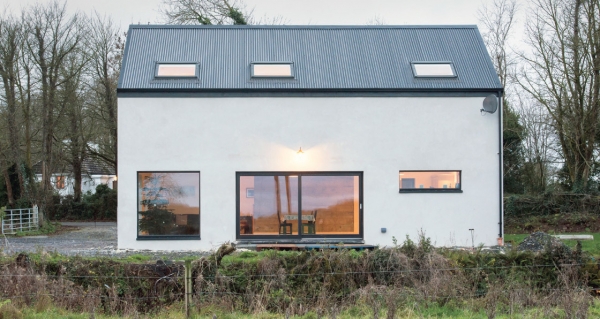
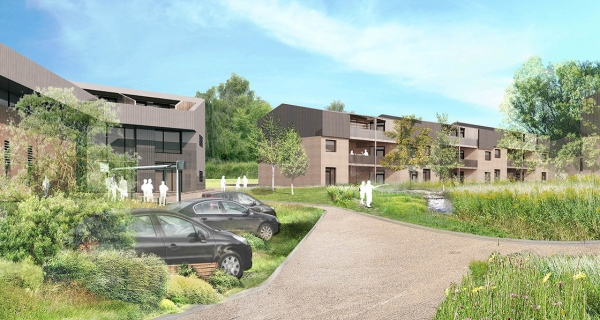
Casa Architects has achieved NPPF 55 statusfor the development of a new passive housein a listed parkland near Frome, Somerset.NPPF 55, recognised as one of the mostdifficult planning applications to achieve, setsstrict planning restrictions to allow only trulyoutstanding or innovative architecture of thevery highest quality and standard to be built in the English countryside.

IGBC launches Ireland’s sustainable homes label

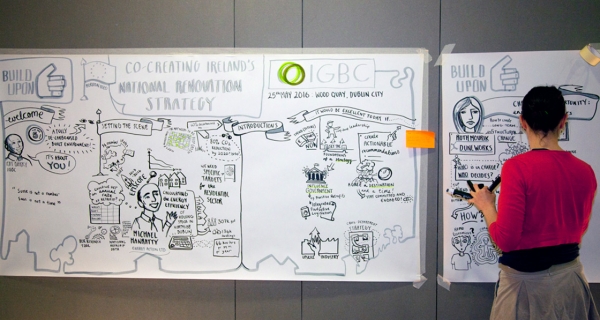
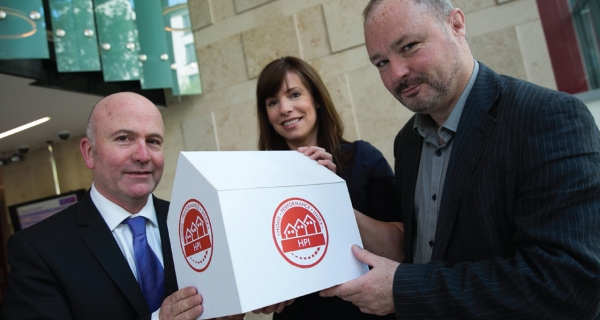
The Irish Green Building Council has launched a voluntary quality labelling scheme for new residential development in Dublin. The label, called the Home Performance Index (HPI), goes well beyond the existing building energy rating (BER) system to look at a wider range of issues that impact the quality and sustainability of new residential construction. 

Kore leads way with integrated ISO certificates

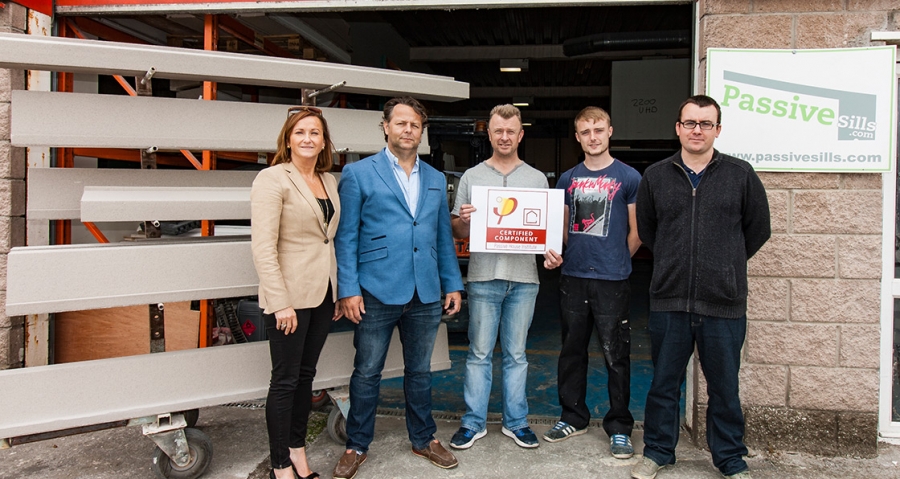
Kore, based in Kilnaleck, Co. Cavan, is the first company in Ireland to obtain integrated ISO certification for both the ISO 9001:2015 and ISO 14001:2015 standards from the National Standards Authority of Ireland (NSAI). ISO 9001 is one of the most widely used management tools worldwide, while ISO 14001 is the standard for environmental management. Both standards are internationally recognised.

SEAI announces 250,000 euro grants for large energy upgrades

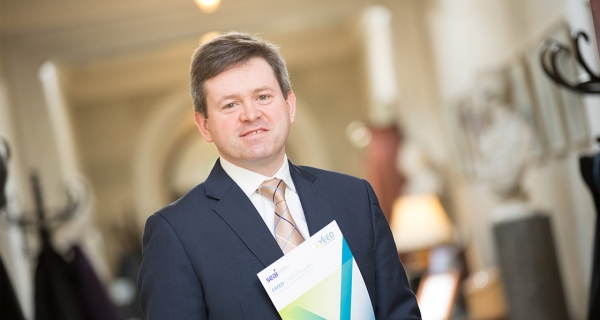
The Sustainable Energy Authority of Ireland (SEAI) has launched the EXEED (Excellence in Energy Efficient Design) certified programme, a new management framework which complements the Irish Energy Efficient Design Standard IS399. Up to €250,000 per applicant has been made available in 2016 for businesses or organisations undertaking a building retrofit, facility or process upgrade which follows the EXEED principles to maximise energy efficiency.