Opinion

Brian Dowd, ESB’s products and services manager, talks about the company’s new energy strategy and the launch of the next phase of their Halo programme.
Welcome to the archive of Construct Ireland, the award-winning Irish green building magazine which spawned Passive House Plus.
The feature articles in these archives span from 2003 to 2011, including case studies on hundreds of Irish sustainable buildings and dozens of investigative pieces on everything from green design and building methods, to the economic arguments for low energy construction.
While these articles appeared in an Irish publication, the vast majority of the content is relevant to our new audience in the UK and further afield. That said, readers from some regions should take care when reading some of the design advice - lots of south facing glazing in New Zealand may not be the wisest choice, for instance.
Dip in, and enjoy!
Brian Dowd, ESB’s products and services manager, talks about the company’s new energy strategy and the launch of the next phase of their Halo programme.

Solearth partner & Éasca board member Mike Haslam profiles five inspiring English and US projects that share a similarly considered green design approach.
Earlier this year constructireland.ie broke the news of the introduction of the pilot Home Energy Saving Scheme, a new grant funding programme designed to stimulate the en masse refurbishment of Ireland’s poorly performing existing housing stock. John Hearne travelled to one of the pilot areas to see how the scheme is working on the ground, and discover how the scheme is developing.

Jason Walsh spoke to David Smith of O'Mahony Pike Architects about the practice's uniquely-designed show apartments for this year's Myhome.ie Spring House and Garden exhibition.
Construct Ireland tracked down the busy director of Limerick Civil Trust to talk about the sterling work already done, current projects and to ponder the implications of recent FAS cutbacks.
Ireland's largest passive house development to date, Shanganagh Castle, is proof that with proper planning and collaboration, delivering high density housing doesn’t mean compromising on quality or climate action – without increasing costs or causing delays.
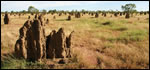
Do termites apply building science better than humans? Award winning architect Sean Harrington takes a characteristically left-of-brain approach to our international feature, leading to some humbling lessons.