International selection

Solearth partner & Éasca board member Mike Haslam profiles five inspiring English and US projects that share a similarly considered green design approach.
Welcome to the archive of Construct Ireland, the award-winning Irish green building magazine which spawned Passive House Plus.
The feature articles in these archives span from 2003 to 2011, including case studies on hundreds of Irish sustainable buildings and dozens of investigative pieces on everything from green design and building methods, to the economic arguments for low energy construction.
While these articles appeared in an Irish publication, the vast majority of the content is relevant to our new audience in the UK and further afield. That said, readers from some regions should take care when reading some of the design advice - lots of south facing glazing in New Zealand may not be the wisest choice, for instance.
Dip in, and enjoy!
Solearth partner & Éasca board member Mike Haslam profiles five inspiring English and US projects that share a similarly considered green design approach.

Why the Greenov project may be the key to success for Irish SMEs in energy upgrade market
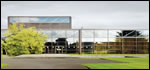
The Carroll’s cigarette factory in Dundalk has been reborn as an avant garde exemplar of wind energy storage and an ingenious approach to integrated heating, ventilation and cooling, as sustainable design expert Chris Croly of BDP explains.
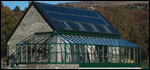
Ernst Posthuma of Solarcon sheds light on a demonstration project in west Cork that combines passive and active solar gains to remarkable effect.
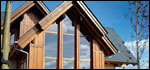
In the last decade timber has come to be seen one of the leading sustainable building materials, primarily through the growth of the timber frame market. Jason Walsh visited County Wexford to look at a growing use for the material – solid timber construction

Developers across Ireland are beginning to see the sense in shifting from individual heating systems to centralised energy production feeding into district heating networks. John Hearne visited a mixed-use scheme in Ballisodare, County Sligo, where a cutting edge biomass energy centre is providing a multitude of different buildings with energy from a green, secure source.
If one was to draw a conclusion on how seriously sustainability is being taken at government level using the number of occurrences of the word "sustainable" in policy documents, housing guidelines and speeches from Ministers, it would come across that Ireland's on a sound sustainable footing.
“Electrical waste is one of the fastest growing waste streams in Ireland. It is a source of valuable materials which can readily be recycled and which we must divert from landfill”, Minister Martin Cullen, 19 February 2003.
Why Ireland’s failing treatment systems & septic tanks must be tackled