Design Approaches

Insulating Ireland

Insulating Ireland
The vast majority of Irish buildings are in need of substantial energy upgrade work. Given the difficult economic conditions and low public awareness of the cost, comfort and health benefits of a well-designed energy renovation, the notion of upgrading most Irish buildings is a considerable challenge. However, as Lenny Antonelli explains, new ideas are emerging that could stimulate energy upgrade work on an unprecedented scale.

Hempcrete retreat

Hempcrete
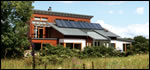
No matter how energy efficient a building method is, constructing a house from scratch will always cause some damage to the environment - but what if a building material could absorb more carbon than it causes to be released over its life cycle? Lenny Antonelli visits a hempcrete house in Co. Down that seeks to trial this innovative method of building

Municipal Bond

0311-MunicipalBondTITLE.jpg
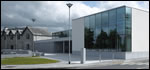
If the Irish construction industry is truly to rapidly embrace the concept of sustainability, leadership from the public sector will be paramount in setting the right example. John Hearne spoke to the design team of the Opus and RIBA award-winning Cork Civic Offices, a development which keeps carbon emissions and fossil energy consumption to a minimum, and once more puts the public sector at the forefront of innovative sustainable design

Green Rooms

Wesport Woods Hotel
Hotels typically take a heavy toll on the environment, with large amounts of energy used for heating, hot water, lighting, air conditioning and laundry, and huge amounts of waste being landfilled each year. John Hearne visited the Westport Woods Hotel and discovered a highly successful approach to reducing environmental impact that is also yielding substantial dividends in terms of cost savings and positive publicity

Eco Lodgings

0304-ecolodgingtitle.jpg
Construct Ireland’s Jason Walsh visited the Brooklodge in Macreddin, County Wicklow, to find out about how one hotel has found rising fossil fuel costs the perfect reason to invest in a sustainable future.

Green Gains

O310-GreenGainsTITLE.jpg
In spite of the obvious emergence of technologies and design approaches to reduce the impact of new build, environmental standards remained poor throughout the duration of the housing boom. Now, a unique combination of political will, smart incentives, and a new market of informed and empowered buyers may be about to change that, writes Lenny Antonelli

Access All Areas

0204disacctitle.jpg
A little foresight at the design stage can go a long way in determining a building’s success. If a building’s design fails to take into consideration the needs of any potential occupants and users, the risk of the need for corrective work, often at considerable cost, is greatly increased.
Construct Ireland’s Architecture Correspondent Lauren Kapusta reports

Interior Motives

0209designtitle.jpg
In line with a growing consumer demand, the availability of green products is constantly increasing, leading to a situation where product quality need not be compromised in a search for a more eco friendly interior, as Jill Phillips of zero4zero7 interior design explains.

Safe as Houses

0305-energyefficienthousepricestitle.jpg
Conventional wisdom dictates that higher construction costs — for instance to reduce energy consumption and carbon emissions — would either squeeze developers’ profit margins or increase house prices. Tom Dunne, Head of DIT’s School of Real Estate and Construction Economics, reveals how misguided this view could be...

Sound Advice - Acoustic solutions

0210soundtitle.jpg
When designing and building high density apartment and housing developments, the attention, so often lacking, to acoustic performance, can have a critical impact on the quality of life of the buildings’ inhabitants, as leading acoustic consultant Jim Dunne, Managing Director of Integrated Acoustic Solutions explains